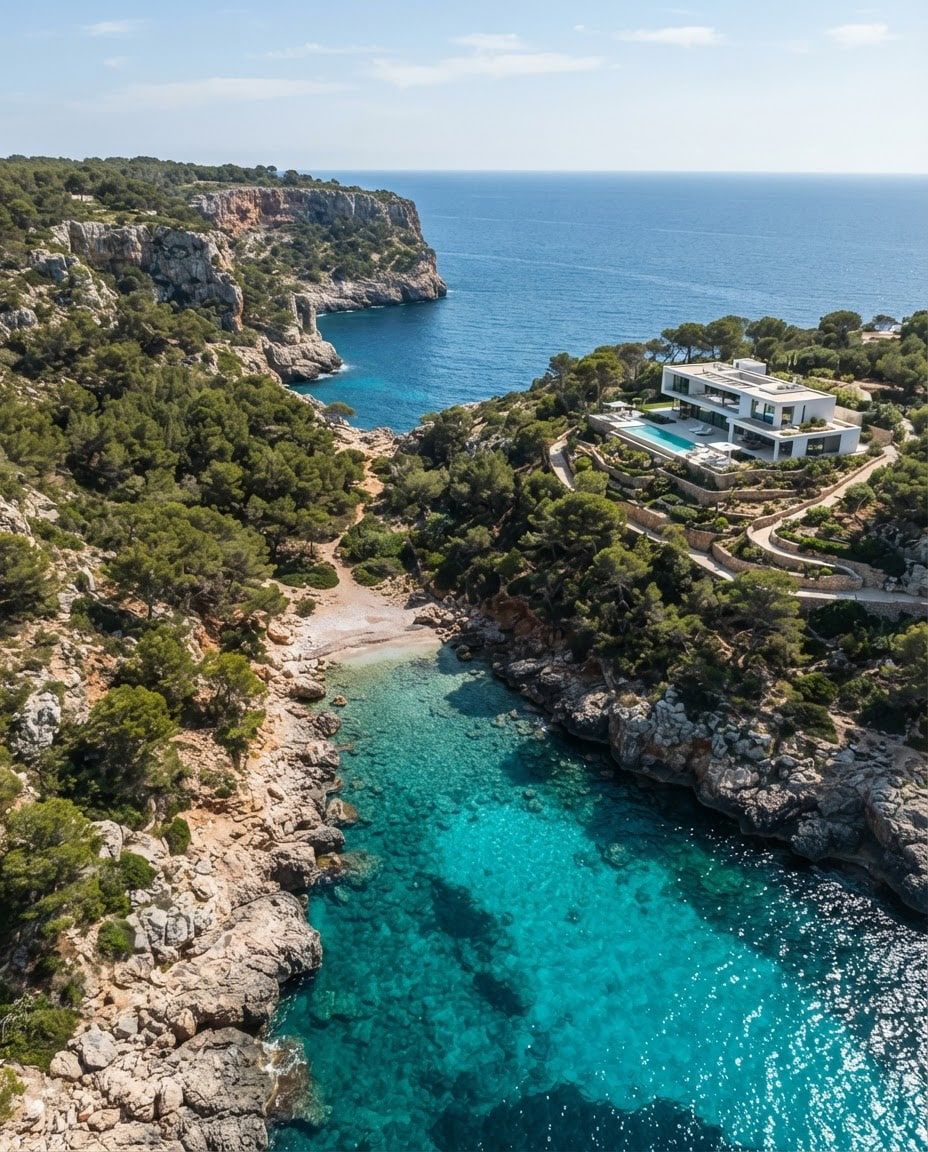

Spain
Mallorca - All Regions
Our Services
Global reach. Boutique expertise. One trusted advisor.
Our services start with understanding you, and reach well beyond those of a traditional real estate agent. We advise on the destination itself, how you will use the home, the investment, the ownership structure and everything that comes with it.
Our Services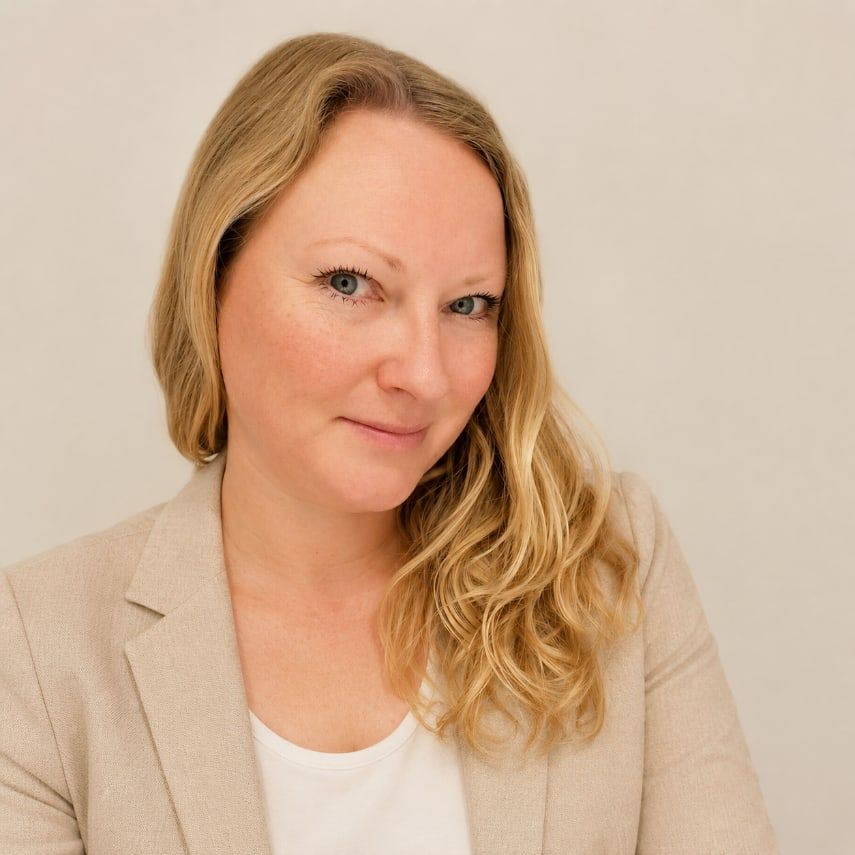
Your Personal Property Advisor
Your advisor for Mallorca - All Regions
- Personal Property Advisor
- Tina Rosenzweig
- Areas we cover
- Mallorca
Tina Rosenzweig is your Personal Property Advisor for Mallorca - All Regions: one point of contact from the first conversation to the keys, working for you and not for the seller.
Local team
The team in Mallorca - All Regions
The local partners who work with your advisor in Mallorca - All Regions.
-
 Simon Navarro Taulats Real Estate Agent Mallorca
-
 Frank Heinsbroek Affiliate Brokerage Partner
-
 Martijn van der Kam Manager
-
 Michael Fiorentini Investment manager
-
 José Carlos Frau Greenfield Lawyer - Balearic Islands
-
 Juan Mateu Real Estate and Tax Lawyer
-
 Grup Joan Garau Luxury Home Constructor
-
 Agusti Moll Content and Visual Producer
-
 Miquel Sirer Content and Visual Producer
-
 Stella Lavinia Overmann Milagro Care
Buying in Spain
What to know before you buy in Spain
Spain is open and liquid, but costs depend heavily on the region, the golden visa has ended and tourist letting is now regulated at national as well as regional level.
01Who can buy
There are no general restrictions on foreigners buying property in Spain, except for military zones that rarely affect homes. You need a foreigner's tax identification number (NIE). The government has proposed a tax of up to 100% of the value on purchases by non-EU non-residents, but as of 2026 this has not been enacted.
02The buying process
After agreeing a price you usually sign a reservation agreement and then a private purchase contract (contrato de arras), paying a deposit of around 10%, which you lose if you withdraw and which the seller must repay double if they do. Your independent lawyer checks title, debts, licences and planning status. The deed is signed before a notary and then registered with the land registry, typically six to twelve weeks after the deposit.
03Purchase costs
Resale property is subject to transfer tax (ITP), set by each region, generally between about 6% and 13% of the price, for example a flat 7% in Andalusia. New builds carry 10% VAT plus stamp duty, which also varies by region. Notary, land registry and legal fees typically add 1% to 2%.
04Owning the property
Owners pay annual municipal property tax (IBI), and non-residents also pay income tax on a deemed income from the property even when it is not let. Spain's wealth tax applies to non-residents on Spanish assets above an allowance, with large regional variations, and a national solidarity tax applies to net assets above EUR 3 million. Tourist letting requires a regional licence and, since July 2025, a national registration number, and owners' associations can now prohibit holiday lets in their building.
05Living there
The Spanish golden visa ended on 3 April 2025, so buying property no longer leads to residence. Non-EU nationals can apply for a non-lucrative residence visa if they have sufficient passive income, or for a digital nomad visa if they work remotely. Before buying a villa, have your lawyer confirm that it was built with a valid licence and is not on rural land where construction is irregular.
Indicative information, last checked October 2026. Rules and rates change, so your advisor confirms what applies to your purchase.
Personal search service
Find your exclusive homeabroad
Our personal search service makes your search discreet and focused. Your Personal Property Advisor knows the regional market inside out, filters what is on offer and shows you only the homes that truly suit you, including homes that are never publicly listed.
- One point of contact, acting solely in your interest
- Access to homes sold off-market
- Independent advice with full transparency
- A discreet search, no registrations without your consent
- A carefree, secure purchase from start to finish
Traditional agents find properties.We find the right place for your life.
And we take care of everything that comes with it.
Start the conversation